Images

Uncategorized

Direct Response Marketing for Financial Professionals

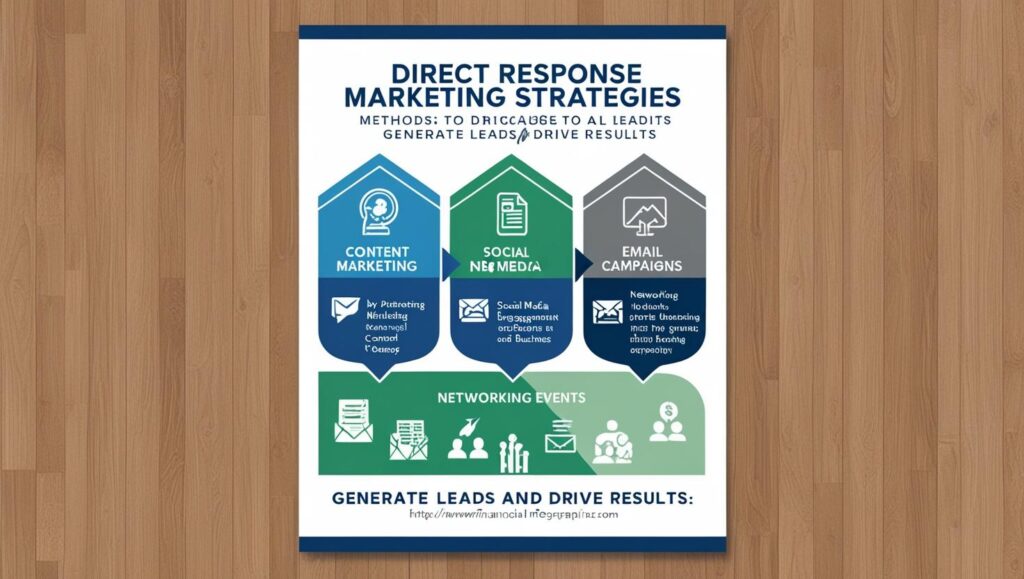
Marketing in the financial services industry is no small feat. Unlike other industries where products and services can be marketed with flashy ads or viral campaigns, finance is deeply personal. People are cautious about who they trust with their money, retirement, and investments—and understandably so. For financial professionals, the question becomes: how do you break through the noise, build trust, and compel potential clients to take action? The answer lies in direct response marketing. Direct response marketing is a powerful strategy that delivers measurable results by encouraging immediate action. Unlike branding-focused campaigns that aim to build awareness over time, direct response marketing is all about generating leads, driving conversions, and creating a clear return on investment (ROI). In this article, we’ll explore what direct response marketing is, why it’s ideal for financial professionals, and how you can use it to grow your business. What Is Direct Response Marketing? Direct response marketing is a type of marketing designed to elicit an immediate response from your audience. Unlike passive marketing strategies that focus on brand awareness, direct response campaigns have a clear call-to-action (CTA) and encourage the audience to take a specific step, such as: Downloading a free guide or e-book. Scheduling a consultation. Signing up for a webinar. Subscribing to your email list. The key difference is measurability. Every direct response campaign is designed so you can track results and optimize based on performance. For financial professionals, this means you can see exactly how many prospects your marketing efforts are generating—and how many of them convert into paying clients. Why Direct Response Marketing Works for Financial Professionals Direct response marketing is particularly effective in the financial industry for several reasons: Trust Is Built Through Value Consumers are wary of financial professionals they don’t know. Direct response marketing allows you to deliver real value upfront—through educational resources, free consultations, or webinars—before asking for anything in return. This builds trust and positions you as a helpful expert. It Attracts Pre-Qualified Leads When your campaign is designed around a specific problem or goal (e.g., “How to Save for Retirement in Your 40s”), the people who respond are already interested in that topic. This means you’re not wasting time chasing unqualified leads. It’s Measurable and Cost-Effective Because direct response marketing includes clear calls-to-action and tracking mechanisms, you always know your ROI. If a campaign isn’t performing well, you can quickly adjust your approach. It Encourages Action Financial decisions often get delayed because they feel overwhelming or intimidating. Direct response marketing simplifies the process by giving prospects a clear, actionable next step—whether it’s scheduling a call or downloading a guide. Key Components of an Effective Direct Response Campaign To create a successful direct response marketing campaign, you need to include several essential elements: A Specific, Compelling Offer Your offer is the cornerstone of your campaign—it’s what motivates your audience to take action. In the financial niche, your offer should solve a specific problem or provide immediate value. Examples include: “Download our free guide: The 5-Step Plan to Retire Comfortably.” “Join our free webinar: How to Build a Debt-Free Future in 12 Months.” “Schedule a free 30-minute consultation to create your personalized financial plan.” The more specific and relevant your offer is to your target audience, the more effective it will be. A Clear Call-to-Action (CTA) Your CTA tells your audience exactly what to do next. A strong CTA is: Clear: Avoid vague language. Instead of saying, “Learn more,” say, “Download your free guide now.” Action-Oriented: Use action verbs like “download,” “schedule,” or “join.” Urgent: Encourage immediate action by adding urgency. For example, “Sign up today—spots are limited!” Targeted Messaging Your messaging should speak directly to the needs and concerns of your target audience. Avoid generic language and focus on specific pain points. For example: Instead of: “Learn about financial planning.” Say: “Are you worried about outliving your retirement savings? Discover how to create a reliable income stream for life.” The more personalized your messaging, the more likely your audience is to respond. A Tracking Mechanism One of the biggest advantages of direct response marketing is that it’s measurable. Use tools like: Landing Pages: Create dedicated landing pages for each campaign to track conversions. UTM Codes: Add UTM codes to your links to monitor traffic sources. CRM Systems: Use a customer relationship management (CRM) tool to track leads, follow-ups, and conversions. By tracking your results, you can identify what’s working and what needs to be improved. A Follow-Up Sequence Most leads won’t convert immediately, so it’s essential to have a follow-up plan in place. Use email marketing to nurture leads, build trust, and keep your services top of mind. For example: Email 1: Thank the lead for downloading your guide or attending your webinar. Email 2: Provide additional tips or resources related to their financial goal. Email 3: Invite them to schedule a consultation or take the next step. A well-crafted follow-up sequence can significantly increase your conversion rate. Direct Response Marketing Strategies for Financial Professionals Now that you know the core components of a direct response campaign, let’s look at some specific strategies you can use in your business: Offer a Free Educational Resource Create a lead magnet, such as an e-book, checklist, or video series, that addresses a specific financial concern. For example: “The Beginner’s Guide to Smart Investing” “10 Tax-Saving Strategies for Small Business Owners” “How to Pay Off Debt Faster: A Step-by-Step Plan” Promote your resource on your website, social media, or through paid ads, and require an email address to access it. Host a Webinar Webinars are an excellent way to engage your audience and demonstrate your expertise. Choose a topic that aligns with your audience’s needs and include a CTA to schedule a consultation at the end. For example: “How to Retire Early: Strategies for Building Wealth Faster” “Understanding the New Tax Laws: What They Mean for Your Investments” Use Direct Mail In a digital world, direct mail can feel personal and stand out from the noise. Send a postcard

How Financial Professionals Can Use Free Books to Build Trust and Authority
Uncategorized

How Financial Professionals Can Use Free Books to Build Trust and Authority

In the financial services industry, trust and authority are everything. Before a potential client shares their financial details or entrusts you with their investments, they need to feel confident that you have the expertise to guide them. But how do you build that trust and authority with people who don’t yet know you? The answer lies in educational marketing tools, and one of the most effective tools you can use is a free book.   A free book is a strategic resource that provides value to your audience while positioning you as a credible expert. By offering practical advice, solving problems, and guiding readers toward financial clarity, a book can help you connect with your ideal clients, build relationships, and grow your business. In this blog, we’ll explore why free books work so well for financial professionals and how you can use them to build trust and authority. Why Free Books Work for Financial Professionals Giving away a free book might seem counterintuitive, after all isn’t your expertise worth paying for? The key to understanding the power of a free book lies in reciprocity and value creation. Reciprocity Creates Connection When you give someone something of value for free, they feel a natural inclination to reciprocate. This doesn’t mean they’ll immediately hire you, but it does mean they’ll view you more favorably and be more likely to engage with you in the future. It Demonstrates Your Expertise A well-written book showcases your knowledge and ability to solve problems. It’s a tangible proof of your expertise, giving potential clients a reason to trust you before they’ve even spoken with you. It Builds Trust Before the Sale People are naturally skeptical when it comes to financial advice. By offering a free book, you’re providing value upfront, asking for nothing in return except their attention. This builds trust and positions you as someone who genuinely wants to help, rather than just sell. It Attracts Pre-Qualified Leads The people who download or request your book are already interested in the topic you’re addressing. For example, if your book is titled “The 5-Step Guide to Planning for Retirement,” you know the people reading it are likely thinking about retirement and could benefit from your services. How to Use Free Books to Build Trust and Authority Now that we’ve established why free books work, let’s dive into how to use them effectively as part of your marketing strategy. Choose a Specific Topic That Solves a Problem Your book should address a key concern or goal that your target audience has. Instead of trying to cover everything, focus on a single topic that’s relevant and actionable. For example: “How to Pay Off Debt Faster: A Step-by-Step Guide” for individuals struggling with debt. “The Beginner’s Guide to Smart Investing” for people new to the world of investing. “Retirement Planning Made Simple” for those nearing retirement. By solving a specific problem, your book becomes a valuable resource your readers will appreciate. Make It Easy to Access A free book should be easy for your audience to obtain. Here are some ways to distribute it: Website Opt-In: Offer the book as a free download in exchange for an email address. This allows you to build your email list while delivering value. Social Media Campaigns: Promote your book on platforms like Facebook, LinkedIn, or Instagram to reach a wider audience. In-Person Events: Hand out physical copies of your book at seminars, workshops, or networking events. Email Marketing: Share the book with your existing contacts to nurture relationships and remind them of your expertise. The easier it is for people to get your book, the more likely they are to engage with it and with you. Use Your Book to Build Relationships A free book is just the beginning of the relationship. Once someone downloads or receives your book, you can use follow-up strategies to keep the conversation going: Email Sequences: Send a series of follow-up emails that build on the content of your book. For example, if your book is about retirement planning, follow up with tips on maximizing Social Security benefits or tax-efficient withdrawal strategies. Consultation Offers: Include a call-to-action in the book encouraging readers to schedule a free consultation or strategy session with you. Additional Resources: Offer bonus content, such as worksheets, checklists, or videos, to keep readers engaged and demonstrate even more value. By nurturing these relationships, you turn casual readers into loyal clients. Position Yourself as a Thought Leader A free book is also a way to establish yourself as a thought leader in your field. When you become “the person who wrote the book on [topic],” you stand out from competitors and gain instant credibility. To maximize this effect: Include your book in your professional bio and LinkedIn profile. Share excerpts or insights from your book on social media. Use your book as a leave-behind resource during client meetings. The more visibility your book has, the more it reinforces your authority. Include Strategic Calls-to-Action A free book is an opportunity to guide your readers toward the next step in their journey with you. To do this, include calls-to-action (CTAs) throughout your book. Examples include: “Want personalized advice on your financial plan? Schedule a free consultation at [YourWebsite.com].” “Download my free budgeting tool to start applying these tips today.” “Visit my website to access bonus resources and tools for smarter investing.” CTAs should be clear, actionable, and placed strategically throughout the book and not just at the end. What Makes a Free Book Effective? To ensure your book delivers results, keep these best practices in mind: Keep It Concise: A free book doesn’t need to be hundreds of pages long. Aim for 30-50 pages of focused, actionable content. Be Professional: Invest in professional editing, design, and formatting to ensure your book reflects your expertise. Provide Real Value: The more helpful your book is, the more likely readers are to trust you and take action. Conclusion A free book is one of the most powerful tools for

Uncategorized

What is Direct Response Marketing and How Does It Work for Businesses?

In today’s competitive marketplace, businesses are constantly seeking ways to generate leads, increase sales, and drive measurable results. One of the most effective strategies to accomplish these goals is direct response marketing. Unlike traditional advertising that focuses on brand awareness or long-term exposure, direct response marketing is laser-focused on prompting an immediate action from the audience. Whether it’s making a purchase, signing up for a newsletter, or scheduling a consultation, direct response marketing is all about measurable impact. In this article, we’ll break down what direct response marketing is, how it works, and why it’s a game-changer for businesses of all sizes. What is Direct Response Marketing? Direct response marketing is a type of advertising that encourages customers to take a specific, immediate action. It’s designed to eliminate guesswork, you know almost instantly whether your campaign is successful because you receive a direct response from your audience. Key characteristics of direct response marketing include: A Clear Call-to-Action (CTA): The campaign tells the audience exactly what to do, such as “Call Now,” “Download this Free Guide,” or “Sign Up Today.” A Targeted Audience: Direct response campaigns are aimed at a specific group of people who are most likely to respond. Measurable Results: Every action taken, whether it’s clicking a link or calling a phone number is tracked so you can analyze the campaign’s effectiveness. The focus on action, combined with the ability to measure success, makes direct response marketing an essential tool for businesses looking to grow. How Direct Response Marketing Works Direct response marketing works by combining relevant messaging, clear CTAs, and strategic distribution channels to engage potential customers. Here’s a step-by-step look at how it works: Identify Your Target Audience The success of any direct response campaign begins with knowing your audience. Who are they? What problems are they trying to solve? What motivates them to take action? By understanding your audience, you can craft messages that resonate and drive results. Craft a Compelling Offer Your campaign needs to deliver value to your audience. This could be a free guide, a discount code, a free trial, or a special offer that’s too good to ignore. A strong offer grabs attention and provides a clear reason for the audience to act now. Create an Irresistible Call-to-Action The call-to-action is the backbone of direct response marketing. It tells your audience exactly what you want them to do and how to do it. Effective CTAs often include urgency or exclusivity, such as “Act Now,” “Limited Time Offer,” or “Only 10 Spots Left.” Choose the Right Channels Direct response campaigns can be delivered through various channels, including: Email marketing Social media ads Direct mail Landing pages Paid search ads The choice of channel depends on where your target audience is most active. Track and Measure Results One of the greatest advantages of direct response marketing is that it’s highly measurable. Tools like Google Analytics, email marketing platforms, and call tracking software allow you to monitor responses, analyze data, and optimize future campaigns. Why Direct Response Marketing Works for Businesses Direct response marketing is effective because it focuses on actionable results. Here’s why businesses love it: It’s Cost-Effective: You only pay for campaigns that deliver measurable outcomes, reducing wasted ad spend. It Builds a Customer Database: By encouraging sign-ups or downloads, you collect valuable leads for future marketing efforts. It Drives Immediate Revenue: Direct response campaigns are designed to generate instant sales or inquiries, making it easier to see ROI quickly. It’s Scalable: Once you identify what works, you can replicate and scale successful campaigns for even greater impact. Conclusion Direct response marketing is a powerful strategy that helps businesses drive immediate results while building long-term customer relationships. By focusing on clear CTAs, targeted messaging, and measurable outcomes, companies can connect with their audience, solve their pain points, and ultimately grow their revenue. Looking to implement a direct response strategy for your business? Start by crafting a compelling offer and a clear call-to-action and watch how quickly the results follow.

Scroll to Top